


Stage direction Clément Hervieu-Léger
Musical direction and conception William Christie
With Erwin Aros, Clémence Boué, Cyril Costanzo, Claire Debono, Stéphane Facco, Matthieu Lécroart, Juliette Léger, Gilles Privat, Guillaume Ravoire, Daniel San Pedro, Alain Trétout
And the ensemble Les Arts Florissants (10 musicians)
Direction and harpsichord
Paolo Zanzu (shows from 14th to 30th of june)
William Christie (shows from 1st to 9th of july)
It is after the opening of Cavalli’s Didone at Théâtre de Caen that William Christie expressed his wish to work with me on a ballet-comedy by Molière and Lully. The pleasure we had in rehearsing together during those last weeks as well as the shared knowledge and interest in the French 17th century repertoire made this new collaboration seem like a natural fact.
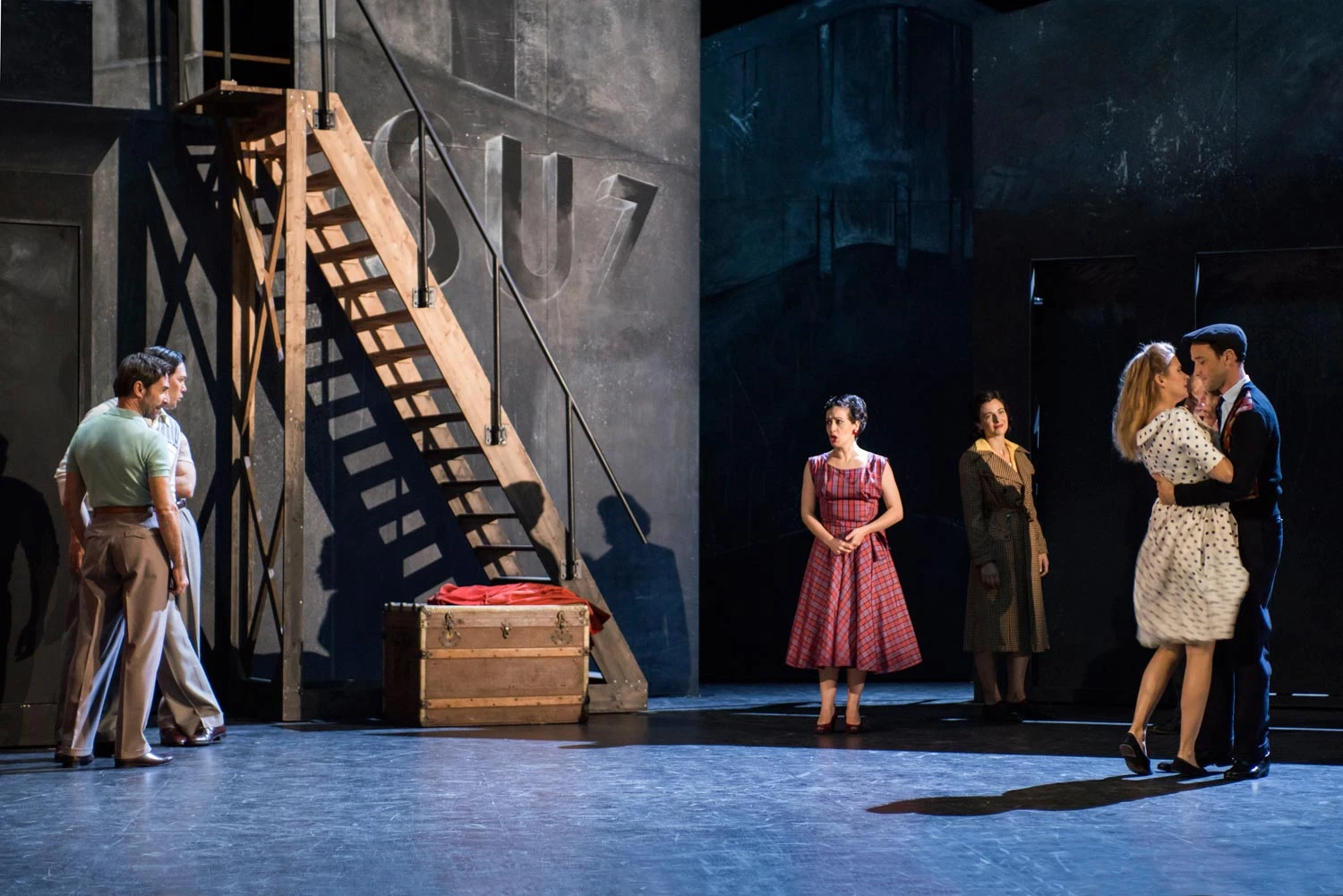
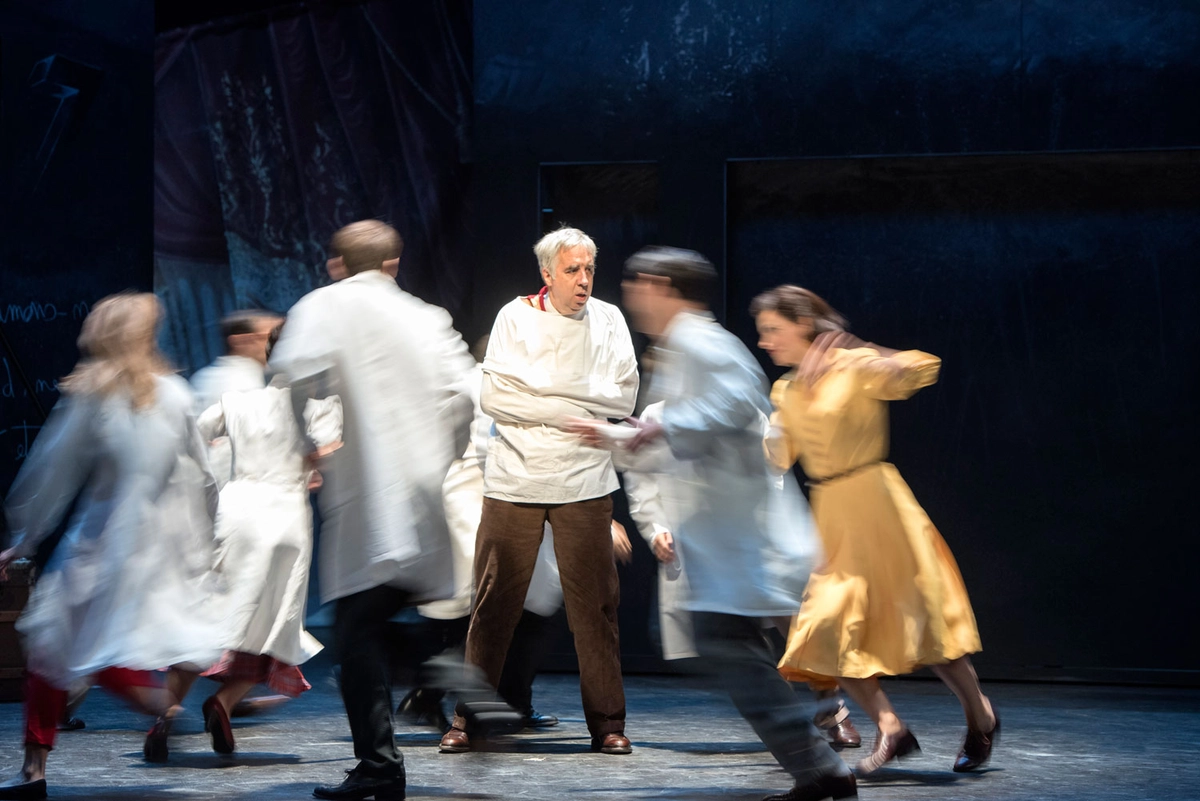
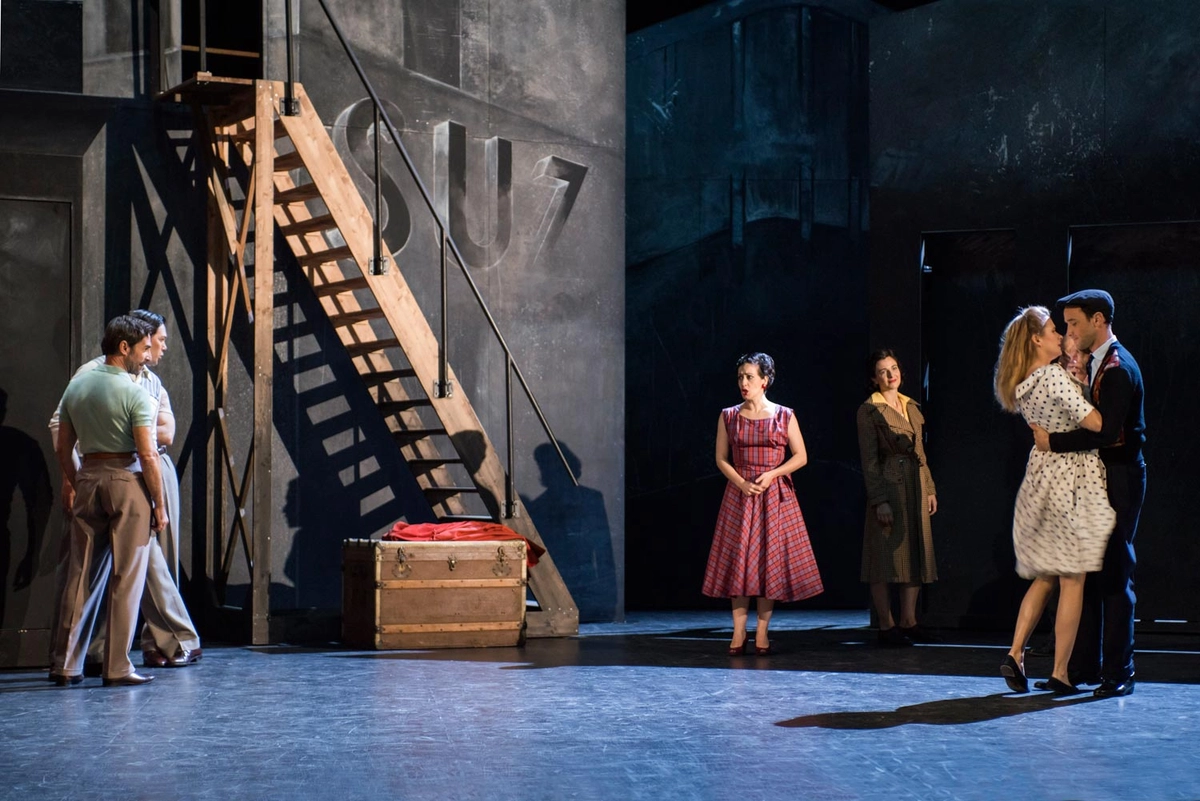
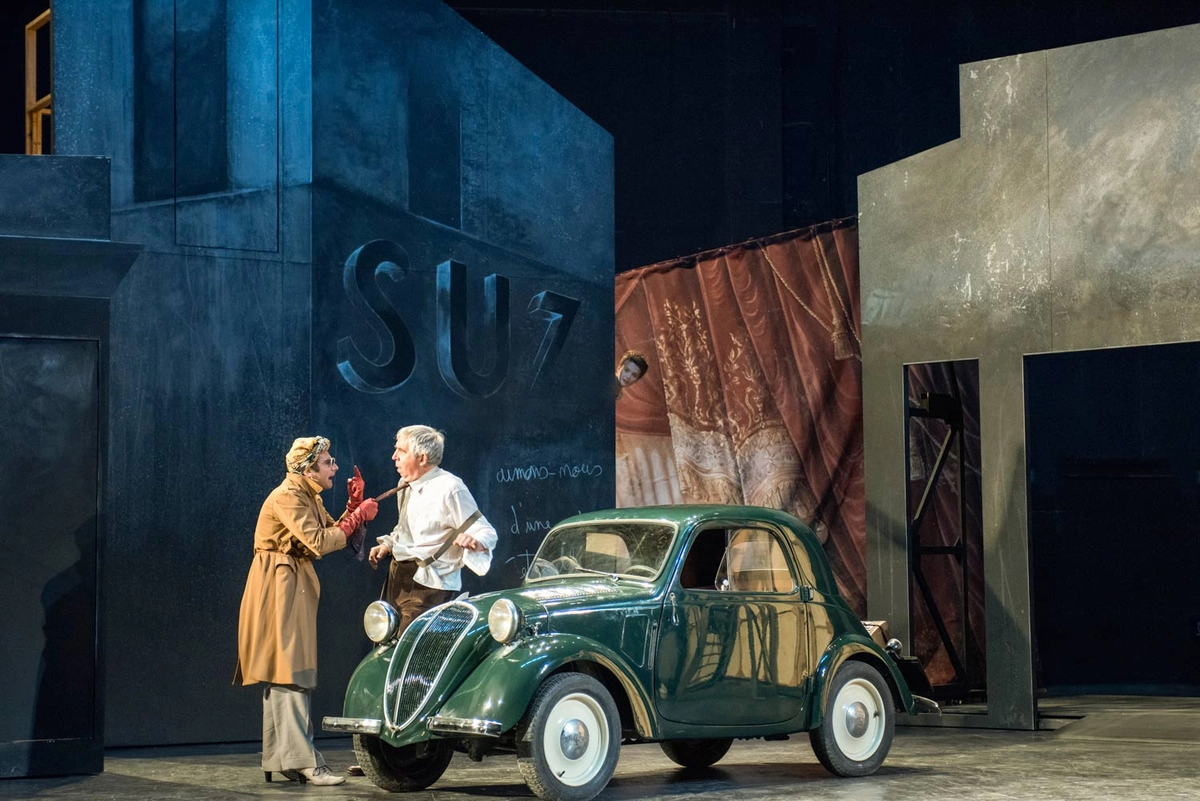
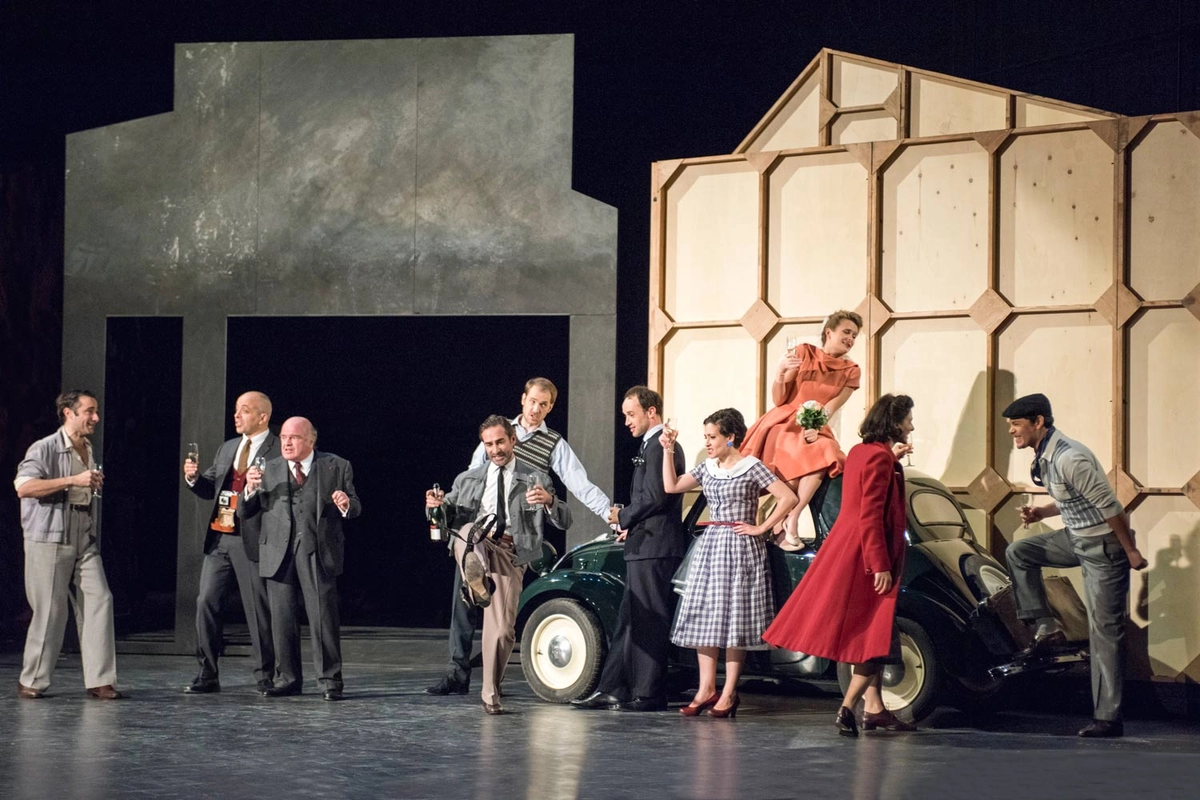
Monsieur de Pourceaugnac was our immediate choice. Premiered by Molière’s troupe at Chambord on October 6, 1669 "for the King’s amusement", this play in three acts, rarely performed today, resumes several important themes dear to Moliere: marriage, money, illness. Freshly arrived from Limoges to marry young Julie, Pourceaugnac immediately falls prey to Sbrigani and Nérine, intriguers paid by the young lady’s lover to prevent this arranged marriage. Manipulated in turns by doctors, a pharmacist, a woman from Picardy and another one from Languedoc, the Swiss Guards, lawyers, an exempt, two archers… this small-town-man lost in the streets of the capital city as much as in his own head, will eventually have no other solution but to flee from Paris disguised as a woman. Taking on the form of a simple comedy, inspired by Italian comedia dell’arte canvas (Policinella pazzo per forza and Pulcinello burlato) and embellished by music and dance, Monsieur de Pourceaugnac is certainly one of the most somber and cruel plays that Moliere has written: three acts of a relentless descent into hell that leads Pourceaugnac to a state in which he does not know who he is any more. This impression of the ineluctability of a tragic and grotesque end to which de Pourceaugnac’s character comes, counterbalanced by the happy marriage of Eraste and Julie, is considerably accentuated by the importance that Moliere and Lully give to the music. Contrarily to other comedy-ballets, in Monsieur de Pourceaugnac music is not a simple ornament, but an inherent part of the dramaturgy of the play. The sung parts should therefore be considered as scenes in their own right and not as simple "interludes" that could easily be dispensed with. They make us think of those carnavalesque sarabands that carry the dancers masked for a day into an utter frenzy. For William Christie and myself it is this interweaving of music and theatre that gives this piece its particular interest. While in the nascent opera music will little by little take precedence over theatre, Moliere and Lully pull off an incredible challenge with this piece: to make theatre from music.
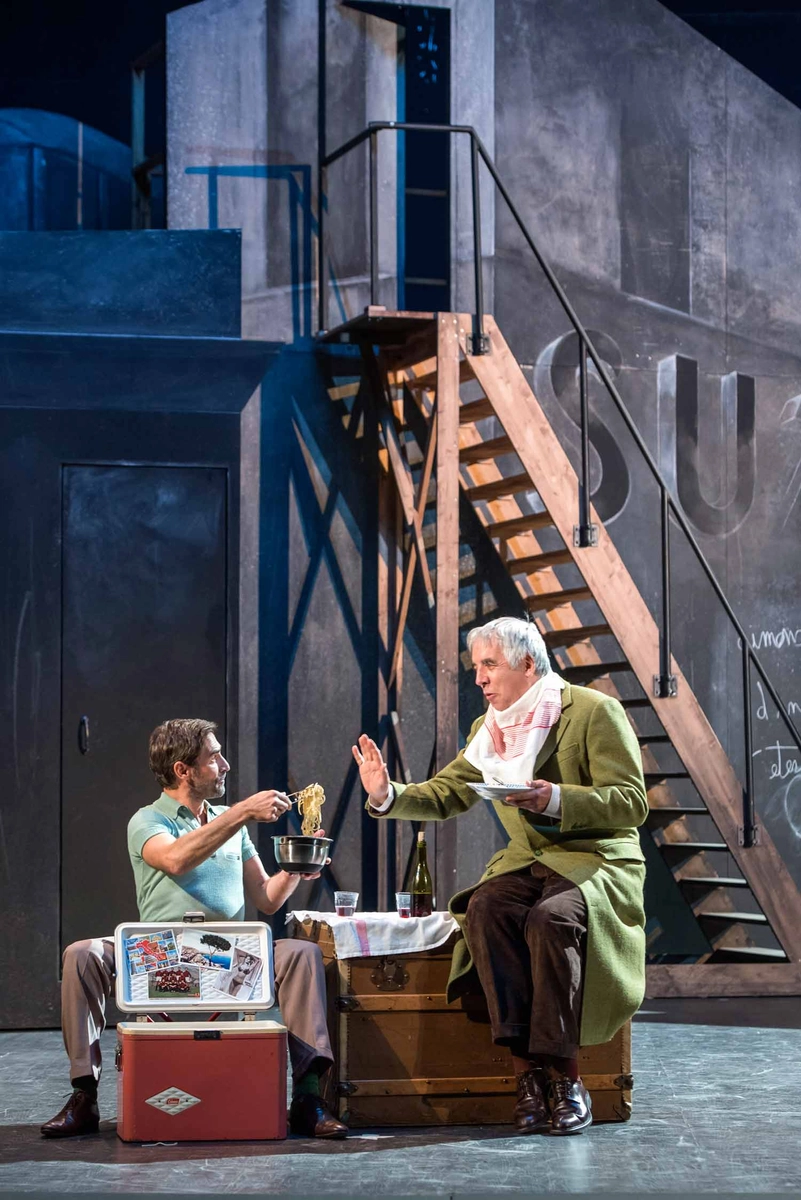
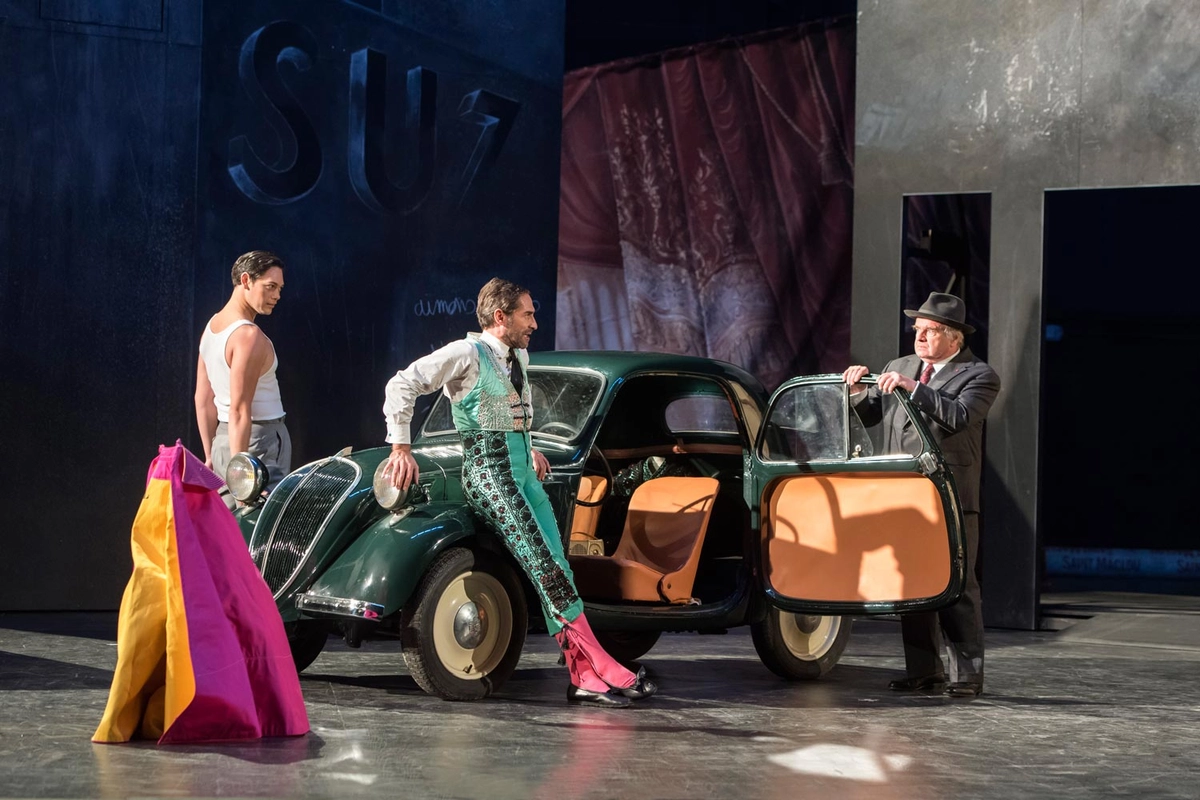
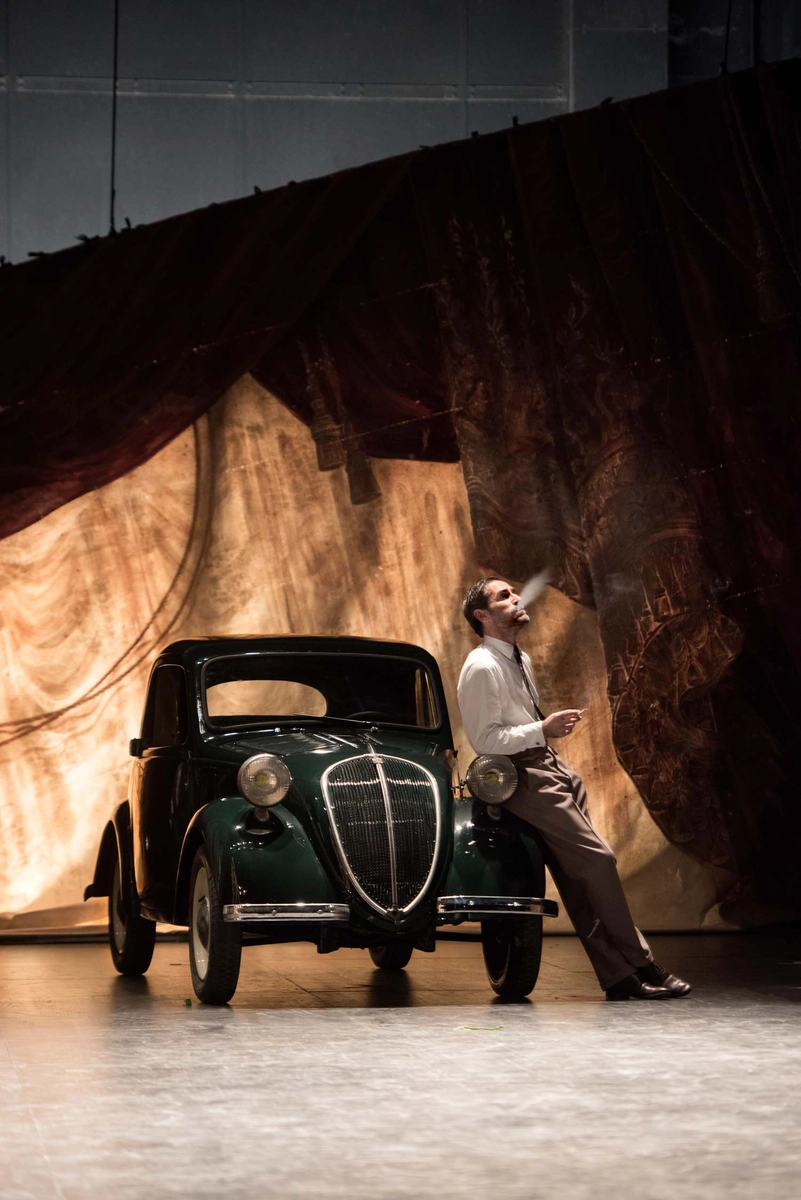
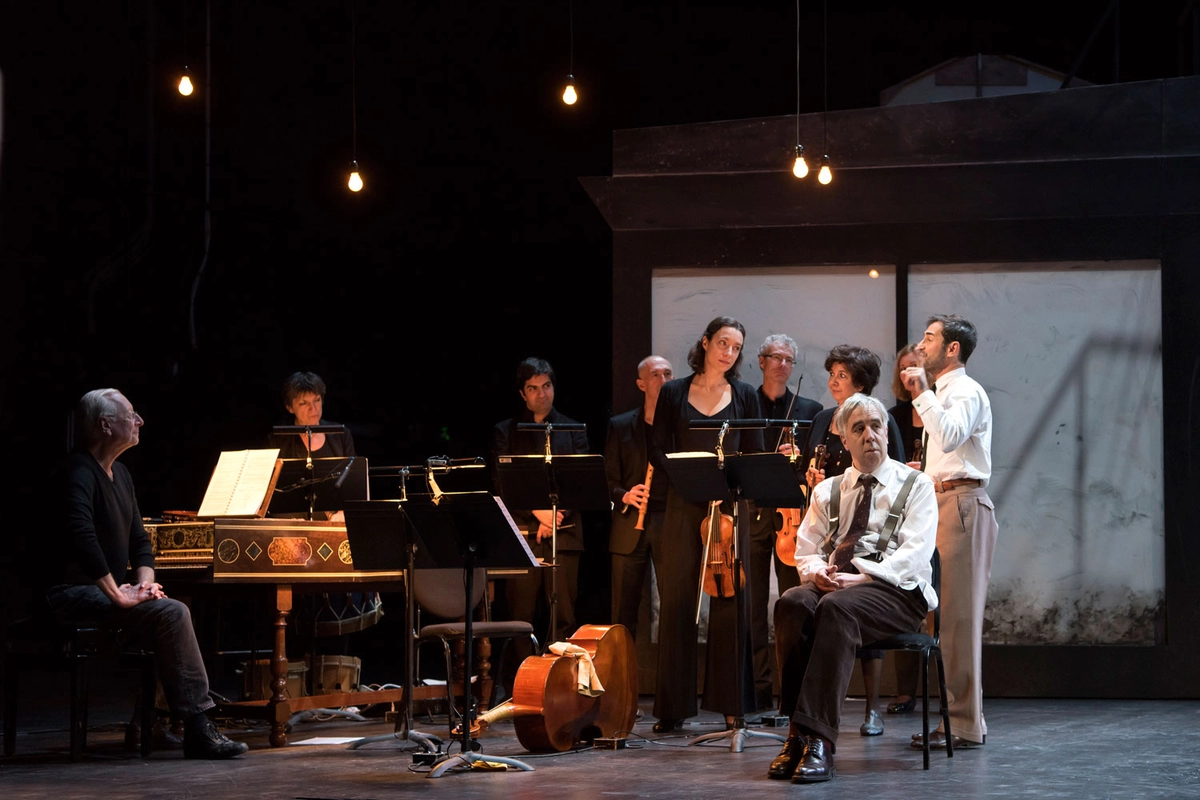
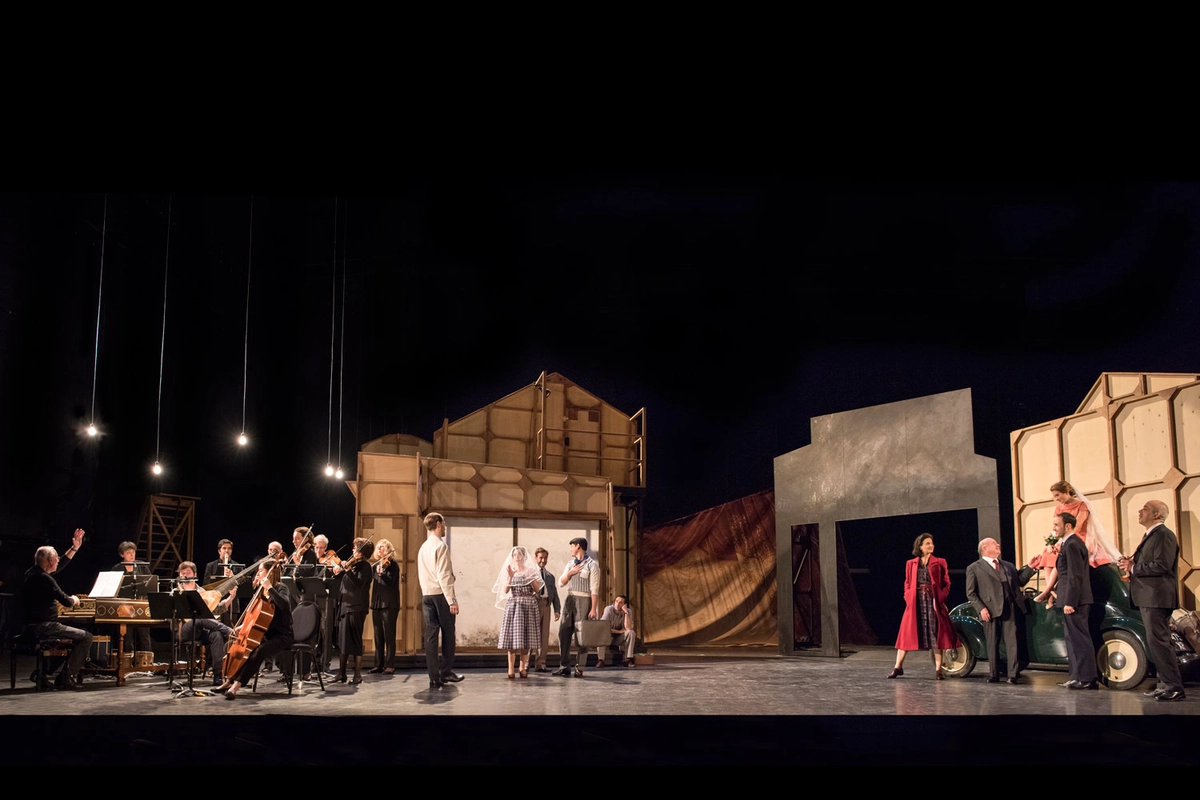
With this thought as a starting point, we could not conceive of making two different teams – one composed of singers and the other of actors. To stage Monsieur de Pourceaugnac, is first of all to engage in group spirit dear to the “boss” of the Illustre Théâtre, and also to find a way to make it impossible to distinguish who sings and who plays comedy. For this I chose to imagine around Sbrigani’s character a gang of Italian ragazzi, well-versed in maneuvers and stratagems, who take joy in inventing before our very eyes the extravagant characters with whom Pourceaugnac is confronted. Dressing up, intimidation, fake accents, sung verses, dances… are the ingredients of this somber masquerade. My firm intention was to free the ballet-comedy form of the inevitable baroque aesthetics. Even though I am not a fervent follower of transposition at all costs, I chose to place this story into Paris of the Fifties. It is true that at that time the difference between Paris and the provinces was still very pronounced and it was not unusual to meet a middle-class provincial who had never set a foot in the capital, which is the case of Monsieur de Pourceaugnac. Likewise, at that time, arranged marriages were still frequent, but young ladies, like Julie, were less and less eager to comply. And finally, it is in the Fifties that a good number of Italian refugees came to live in France following the end of the War, and continued to speak their language amongst themselves. Moreover, the choice of the period 1950-1960 allows for a certain lightness of costumes and sets that suits particularly well the frantic rhythm of the play.
In this production of Monsieur de Pourceaugnac, William Christie and I wished to engage in a joint questioning on what would comedy-ballet genre be today. This is why we have decided to consider this project not as an opera, but as a genuine theatre production, especially in regard to the cast, the organization of rehearsals and the way it is performed.
Clément Hervieu-Léger
Stage direction Clément Hervieu-Léger
Musical direction and conception William Christie
Sets Aurélie Maestre
Costumes Caroline de Vivaise
Lighting Bertrand Couderc
Sound Jean-Luc Ristord
Choreography Bruno Bouché
Wigs/make up David Carvalho Nunes
Musical assistant Paolo Zanzu
Stage assistants Clémence Boué and Aurélie Maestre
With Erwin Aros, Clémence Boué, Cyril Costanzo, Claire Debono, Stéphane Facco, Matthieu Lécroart, Juliette Léger, Gilles Privat, Guillaume Ravoire, Daniel San Pedro, Alain Trétout
And the ensemble Les Arts Florissants (10 musicians)
Direction and harpsichord
Paolo Zanzu (shows from 14th to 30th of june)
William Christie (shows from 1st to 9th of july)
Duration : approximately 1h45
Show performed in French
Production C.I.C.T. - Théâtre des Bouffes du Nord
Coproduction Les Théâtres de la Ville de Luxembourg ; Les Arts Florissants ; Théâtre de Caen ; Château de Versailles Spectacles ; Châteauvallon-Scène Nationale ; Théâtre Impérial de Compiègne ; Compagnie des Petits Champs ; Cercle des Partenaires des Bouffes du Nord
Construction décors Les Ateliers des Théâtres de la Ville de Luxembourg
Action financée par la Région Île-de-France
Avec le soutien de la SPEDIDAM et l’aide à la diffusion d’Arcadi Île-de-France